
Understanding nutrition labels is crucial for making informed food choices. These labels provide insights into the nutritional content of packaged foods, helping you align your diet with health goals. By mastering the art of reading nutrition labels, you can identify healthier options and avoid misleading marketing claims.
Master Nutrition Labels: A Pro’s Guide to Healthy Choices
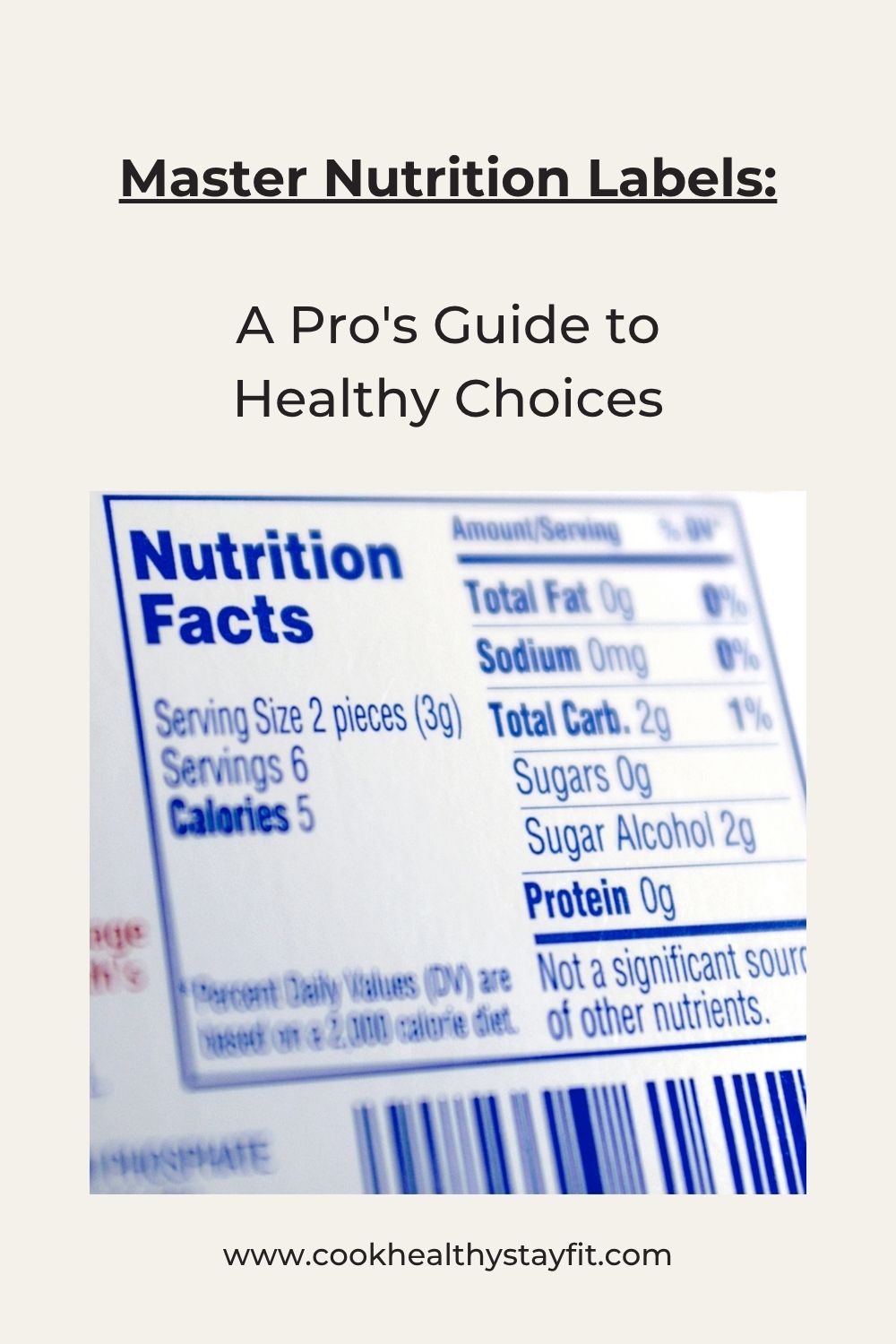
1. Understanding the Importance of Nutrition Labels
Nutrition labels serve as a roadmap to the contents of packaged foods. They offer detailed information about calories, macronutrients, vitamins, and minerals, enabling consumers to make choices that support their health objectives. According to the FDA, these labels are designed to help you make quick, informed food decisions to help you choose a healthy diet.
By paying attention to nutrition labels, you can monitor your intake of essential nutrients and limit harmful components like added sugars and saturated fats. This practice is especially beneficial for individuals managing specific health conditions, such as diabetes or heart disease.
2. Decoding Serving Sizes and Servings Per Container
The serving size listed on a nutrition label indicates the amount of food that is considered one serving. All nutritional information provided on the label corresponds to this serving size. It’s important to note that packages often contain multiple servings, so consuming the entire package means you’re ingesting multiple servings.
Understanding serving sizes helps you accurately assess your intake of calories and nutrients. For instance, if a package lists a serving size of 1 cup and you consume 2 cups, you’re doubling the intake of all listed nutrients and calories.
3. Interpreting Calorie Information
Calories measure the amount of energy provided by a serving of food. The calorie count on a nutrition label indicates the energy you get from one serving. Monitoring calorie intake is essential for weight management and overall health.
4. Analyzing Macronutrients: Fats, Carbohydrates, and Proteins
Macronutrients are nutrients required in large amounts: fats, carbohydrates, and proteins. Nutrition labels break down these components, providing insight into the quality and quantity of each.
Fats: Look for the total fat content, including saturated and trans fats. Limiting saturated and trans fat intake can reduce the risk of heart disease.
Verywell Health
Carbohydrates: This includes total carbohydrates, dietary fiber, and sugars. High fiber intake is beneficial, while excessive added sugars should be avoided.
Proteins: Essential for building and repairing tissues, proteins are crucial for overall health. Ensure adequate protein intake as part of a balanced diet.
5. Evaluating Micronutrients: Vitamins and Minerals
Micronutrients, including vitamins and minerals, are vital for various bodily functions. Nutrition labels list key micronutrients such as Vitamin D, calcium, iron, and potassium. These nutrients support bone health, oxygen transport, and muscle function.
The % Daily Value (%DV) indicates how much a nutrient in a serving contributes to a daily diet. A %DV of 5% or less is considered low, while 20% or more is high. Aim for higher %DV of beneficial nutrients and lower %DV of nutrients to limit.
6. Understanding % Daily Value (%DV)
The %DV helps you assess how a food fits into your daily nutritional needs. It’s based on a 2,000-calorie daily diet, which is a general guideline. This percentage shows how much a nutrient in one serving contributes to your daily intake.
For example, if a food has 15% DV of calcium, it provides 15% of the calcium you need each day. Use %DV to compare products and choose those higher in nutrients you want more of and lower in nutrients you want to limit.
7. Identifying Added Sugars and Their Impact
Added sugars are sugars added during processing or preparation. Nutrition labels now include a separate line for added sugars, helping consumers identify and limit their intake. Excessive consumption of added sugars is linked to various health issues, including obesity and heart disease.
The American Heart Association recommends limiting added sugars to no more than 25 grams per day for women and 36 grams for men. By checking the added sugars on labels, you can make healthier choices and reduce the risk of chronic diseases.
8. Scrutinizing the Ingredient List
The ingredient list provides insight into the contents of a food product. Ingredients are listed in descending order by weight, meaning the first few ingredients make up the bulk of the product. Look for whole, recognizable ingredients and be cautious of items with long lists of unfamiliar components.
Be wary of ingredients like high-fructose corn syrup, hydrogenated oils, and artificial additives. Choosing products with simpler ingredient lists can lead to healthier eating habits.
9. Decoding Common Marketing Claims
Food packaging often features marketing claims that can be misleading. Terms like “natural,” “low-fat,” and “sugar-free” may not always indicate a healthy product. For instance, “low-fat” items may contain added sugars to compensate for taste.
It’s essential to read the nutrition label and ingredient list rather than relying solely on front-of-package claims. This practice ensures you’re making choices based on factual nutritional information.
10. Tips for Making Healthier Choices
Compare Products: Use nutrition labels to compare similar products and choose the one with better nutritional value.
Watch Serving Sizes: Be mindful of serving sizes to avoid consuming more calories and nutrients than intended.
Limit Added Sugars and Sodium: Choose products with lower amounts of added sugars and sodium to support heart health.
Prioritize Fiber and Protein: Select foods high in fiber and protein to promote satiety and digestive health.
Stay Informed: Continuously educate yourself about nutrition to make informed food choices that align with your health goals.