
The Mediterranean diet isn’t just a passing trend—it’s a time-tested lifestyle that promotes better health, longer life, and flavorful meals. With its roots in the traditional eating patterns of countries like Greece, Italy, and Spain, this dietary approach is rich in vegetables, fruits, lean proteins, healthy fats, and whole grains.
In this post, you’ll learn all about Mediterranean diet recipes and their many health benefits. From heart protection to easier weight management, this guide will break it all down for you. Whether you’re new to this lifestyle or looking to expand your meal rotation, you’ll find inspiration and evidence-backed insights right here.
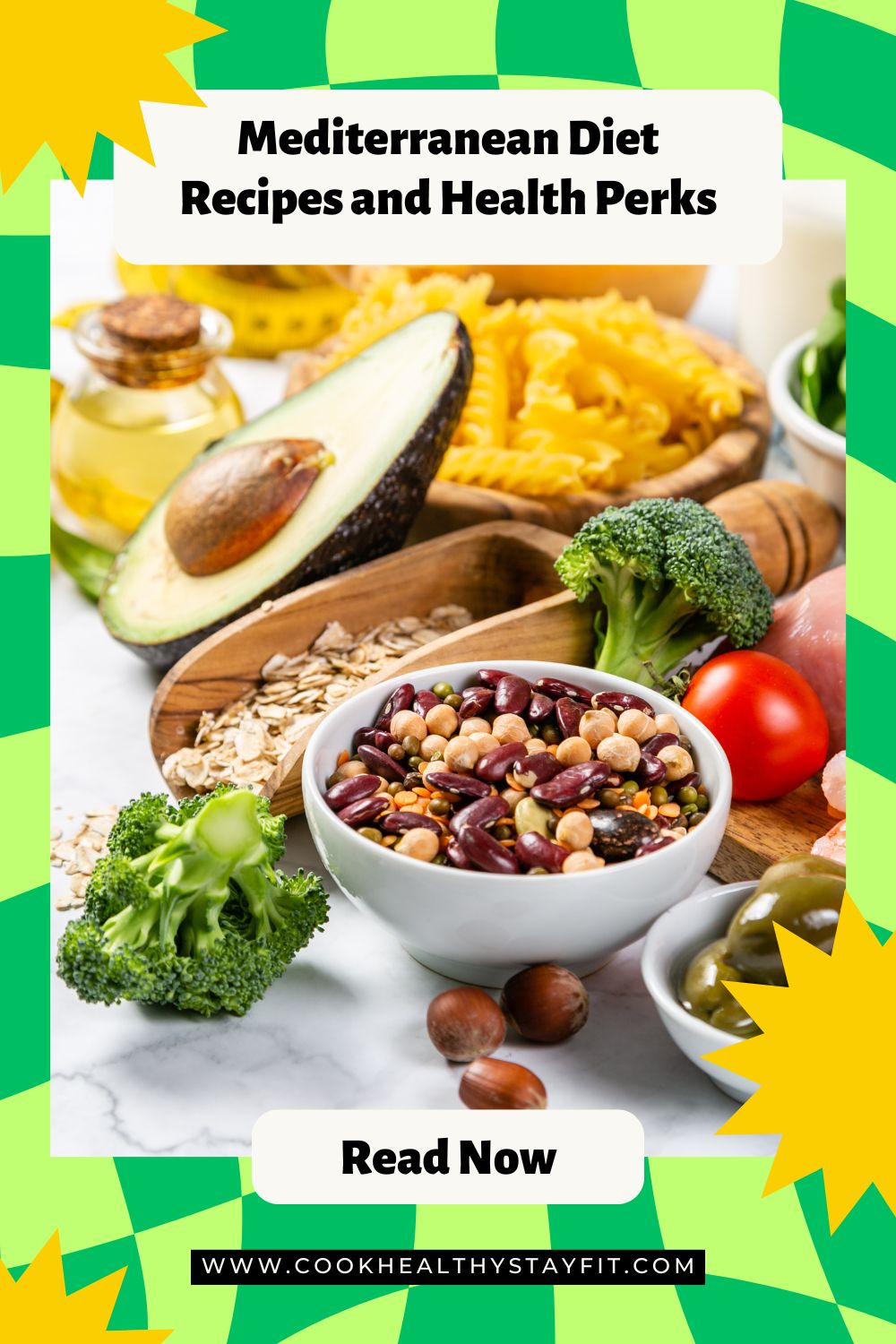
Mediterranean Diet Recipes and Health Perks
1. What Is the Mediterranean Diet?
The Mediterranean diet is inspired by the traditional eating habits of coastal regions like Greece and southern Italy. It’s more than just a meal plan—it’s a lifestyle grounded in balance, community, and fresh ingredients. The core of the diet focuses on seasonal vegetables, fruits, nuts, legumes, whole grains, olive oil, and moderate amounts of fish and poultry.
What sets this diet apart is its flexibility. You won’t count calories or eliminate entire food groups. Instead, you focus on nutrient-dense, natural foods. This simplicity makes the Mediterranean diet accessible and sustainable.
Low in refined sugars, processed foods, and red meat, this eating style helps you naturally consume fewer empty calories. Transitioning to Mediterranean eating doesn’t mean sacrificing taste—you’ll enjoy dishes like hummus, grilled fish, Greek salad, and roasted vegetables drizzled with extra virgin olive oil.
2. Why Choose Mediterranean Diet Recipes?
One of the top reasons to follow Mediterranean diet recipes is their strong foundation in scientific research. Studies consistently link this diet to a reduced risk of heart disease, type 2 diabetes, and certain cancers. Even more impressive, it supports mental clarity and lowers the risk of cognitive decline.
Another major reason is how satisfying the meals are. Because they include healthy fats, fiber-rich vegetables, and lean proteins, they help regulate hunger and reduce overeating. Mediterranean recipes don’t feel restrictive. Instead, they allow you to celebrate food while making nutritious choices.
Plus, meal prep becomes simpler. With a Mediterranean shopping list full of versatile staples, you can mix and match ingredients to create a wide variety of dishes. Think grilled eggplant, chickpea salad, or a vibrant tomato and cucumber bowl with feta and olive oil.
3. Health Benefits of the Mediterranean Diet
When it comes to health benefits, Mediterranean diet recipes deliver across the board. First, they help improve cardiovascular health by emphasizing heart-healthy fats like omega-3s found in fish and monounsaturated fats in olive oil.
Secondly, this diet is rich in antioxidants thanks to its focus on plant-based foods. These antioxidants help fight inflammation, slow aging, and reduce disease risk. The anti-inflammatory nature of the Mediterranean diet also aids in managing autoimmune conditions and gut health.
Moreover, the fiber in legumes, whole grains, and vegetables helps regulate blood sugar and supports digestion. That makes this diet especially beneficial for those with type 2 diabetes or insulin resistance.
4. Weight Loss and the Mediterranean Diet
While it’s not a strict weight-loss program, Mediterranean diet recipes naturally support weight loss. High-fiber foods like legumes and whole grains keep you full longer. Healthy fats like nuts and olive oil prevent energy crashes and reduce cravings.
Because this diet avoids ultra-processed foods, it helps eliminate hidden sugars and unhealthy fats from your daily meals. With less bloat and more energy, you’ll feel better overall.
A key benefit is the focus on mindful eating. You enjoy meals slowly, in good company, and with appreciation—a far cry from fast food or rushed dinners. This mindful approach helps with portion control and food satisfaction.
5. Top Staples of Mediterranean Diet Recipes
To get started, stock your kitchen with Mediterranean essentials. Begin with extra virgin olive oil, which serves as your primary cooking fat. Add garlic, onions, and a variety of herbs like oregano, thyme, and basil for flavor.
For protein, choose canned tuna, salmon, eggs, lentils, and beans. Whole grains like quinoa, brown rice, and farro form the base of many meals. Include fresh and frozen vegetables, citrus fruits, berries, and yogurt.
Nuts like almonds and walnuts make great snacks or salad toppings. Keep olives, capers, and canned tomatoes on hand to enhance recipes with rich, Mediterranean flavor.
6. Easy Mediterranean Breakfast Ideas
Start your day with a nutritious, energizing breakfast. A classic choice is Greek yogurt with honey, walnuts, and fresh berries. This combination offers protein, healthy fats, and natural sugars.
Another option is avocado toast topped with tomato slices and olive oil. Sprinkle with sea salt and oregano for extra flavor. Or try oatmeal made with almond milk, cinnamon, and a handful of dried apricots.
For savory fans, a veggie omelet with spinach, tomatoes, and feta cheese is quick, filling, and nutrient-packed. Pair it with whole grain toast or a side of olives.
7. Wholesome Mediterranean Lunch Recipes
Mediterranean lunches are flavorful and easy to prepare. A popular dish is chickpea salad with cucumber, tomato, red onion, and a lemon-olive oil dressing. Add crumbled feta and parsley for an extra kick.
You can also prep a quinoa bowl with roasted vegetables, hummus, and grilled chicken. Use leftover ingredients to assemble a wrap with whole grain pita, tzatziki, lettuce, and olives.
Another winner is lentil soup with garlic, carrots, and kale. It’s hearty, affordable, and full of fiber and plant-based protein.
8. Satisfying Mediterranean Dinner Dishes
Dinner is the perfect time to enjoy Mediterranean diet recipes. Try grilled salmon with a lemon-herb marinade, served with sautéed spinach and brown rice. Add a side of grilled zucchini for color and fiber.
Stuffed bell peppers filled with quinoa, tomato, onion, and ground turkey are another healthy option. Or go meatless with a mushroom and olive pasta tossed in olive oil and garlic.
The key is using simple ingredients that are fresh, seasonal, and prepared with minimal fuss. Finish the meal with a glass of red wine (in moderation, of course).
9. Delicious Mediterranean Snacks and Sides
Snacks are an important part of a sustainable eating pattern. Great Mediterranean snacks include hummus with sliced cucumbers, cherry tomatoes, and whole grain crackers.
You can also snack on Greek yogurt with a drizzle of honey or fruit compote. Roasted chickpeas are crunchy, savory, and high in fiber.
For sides, prepare a tabbouleh salad, marinated olives, or a simple caprese salad with tomato, mozzarella, and basil. These small dishes complement meals and offer bursts of flavor without excess calories.
10. Mediterranean Diet Tips for Beginners
Starting a new eating plan can feel overwhelming, but the Mediterranean diet makes the transition easy. Begin by swapping butter for olive oil and snacking on fruit instead of chips. Choose lean meats or seafood a few times per week.
Shop the perimeter of the grocery store, where fresh produce, meat, and dairy are located. Stick with whole foods and limit anything with a long ingredient list.
Also, plan meals ahead and cook in batches. A big pot of lentil soup or a tray of roasted veggies can last for several meals. Stay hydrated with water, herbal tea, or sparkling water with lemon.