
Incorporating more vegetables into your daily diet is a cornerstone of healthy eating. Vegetables are packed with essential nutrients, fiber, and antioxidants that support overall well-being. However, many people find it challenging to consume the recommended servings each day. This guide offers practical strategies to help you eat more vegetables effortlessly.
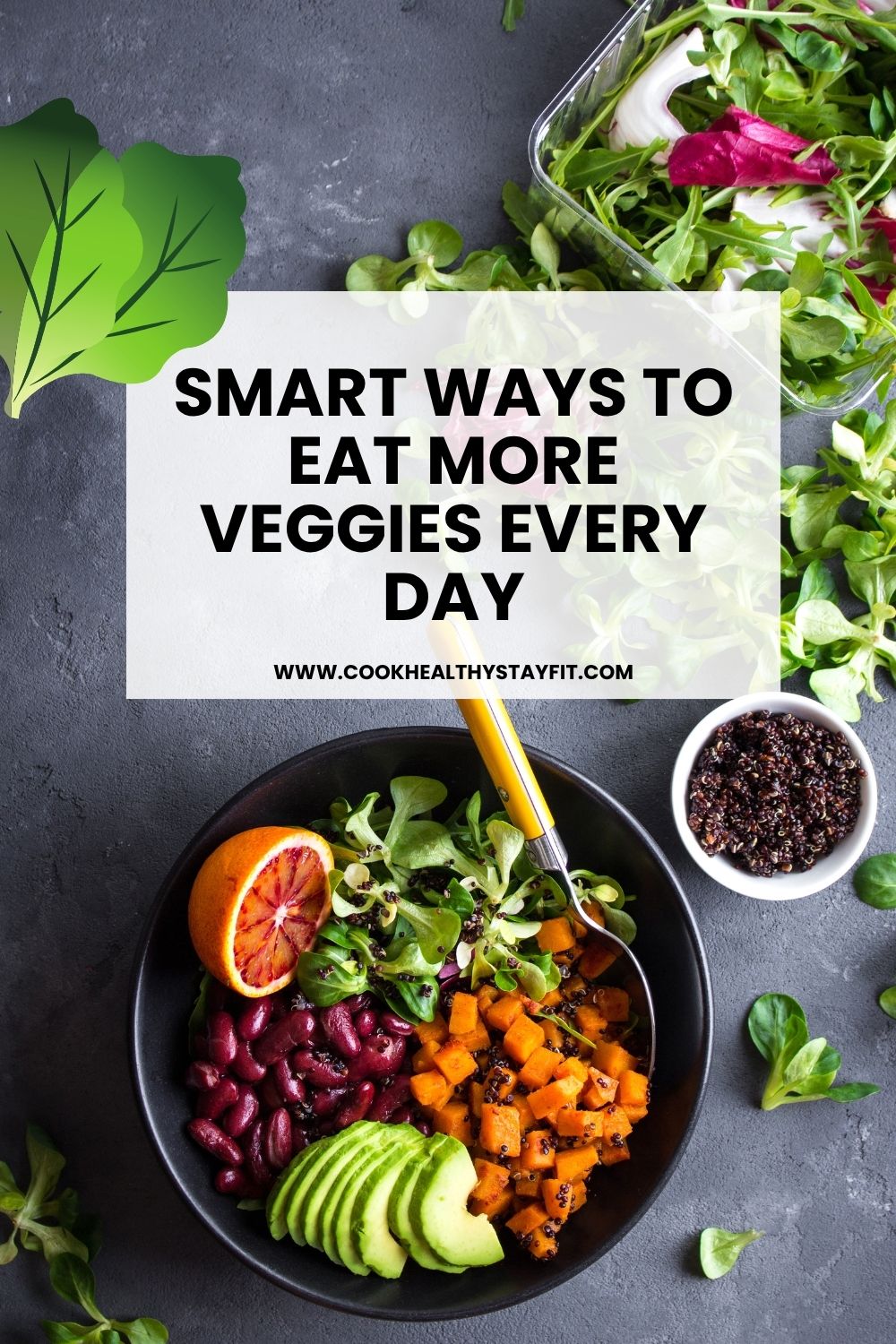
Smart Ways to Eat More Veggies Every Day
1. Start Your Day with Vegetables
Breakfast is an excellent opportunity to include vegetables in your diet. Adding spinach, tomatoes, or bell peppers to omelets or scrambled eggs can enhance flavor and nutritional value. Alternatively, blend leafy greens into smoothies for a nutrient-packed start to your day.
Incorporating vegetables into your morning routine sets a positive tone for the rest of the day. It also helps you reach your daily vegetable intake goals more easily.
2. Make Vegetables Easily Accessible
Keeping pre-washed and chopped vegetables in your refrigerator encourages healthy snacking and simplifies meal preparation. Store them in clear containers at eye level to remind yourself to include them in meals.
Having vegetables readily available reduces the temptation to opt for less healthy options. It also saves time during busy weekdays, making it more convenient to eat more vegetables.
3. Incorporate Vegetables into Snacks
Snacking on vegetables is an effective way to increase your intake. Carrot sticks, cucumber slices, and bell pepper strips paired with hummus or yogurt-based dips make for satisfying snacks.
These options are not only nutritious but also help curb hunger between meals. They provide essential vitamins and minerals without added sugars or unhealthy fats.
4. Add Vegetables to Your Favorite Dishes
Enhance your favorite recipes by adding extra vegetables. Incorporate mushrooms, zucchini, or spinach into pasta sauces, casseroles, and stir-fries. This not only boosts the nutritional content but also adds depth of flavor.
Experimenting with different vegetables in familiar dishes can make the transition to a more plant-rich diet enjoyable and sustainable.
5. Explore New Vegetable-Based Recipes
Trying new recipes that feature vegetables as the main ingredient can inspire you to eat more vegetables. Dishes like roasted vegetable medleys, vegetable soups, and grain bowls are both delicious and nutritious.
Exploring diverse cuisines can also introduce you to unique vegetable preparations and flavors, keeping your meals exciting and varied.
6. Use Vegetables as Substitutes
Replacing certain ingredients with vegetables can reduce calorie intake and increase fiber consumption. For example, use lettuce leaves instead of bread for wraps, or substitute spaghetti squash for pasta.
These swaps can help you eat more vegetables while still enjoying your favorite meals. They also add new textures and flavors to your dishes.
7. Incorporate Vegetables into Baked Goods
Adding vegetables like zucchini, carrots, or beets to baked goods can enhance moisture and nutritional value. Zucchini bread, carrot muffins, and beet brownies are tasty examples.
This approach is especially useful for picky eaters or children who may be reluctant to eat vegetables in their traditional forms.
8. Prepare Vegetable-Based Soups and Stews
Soups and stews are excellent for incorporating a variety of vegetables. They allow for flexibility in ingredients and can be tailored to your taste preferences.
Preparing large batches of vegetable-rich soups ensures you have healthy meals ready throughout the week, making it easier to eat more vegetables daily.
9. Experiment with Different Cooking Methods
Trying various cooking techniques can enhance the flavor and appeal of vegetables. Roasting, grilling, steaming, or sautéing can bring out different textures and tastes.
Eat more vegetables
For instance, roasting Brussels sprouts with a drizzle of olive oil and a sprinkle of sea salt can transform them into a crispy, flavorful side dish.
10. Plan Meals Around Vegetables
When planning meals, start by selecting a vegetable as the main component and build the rest of the dish around it. This approach ensures that vegetables take center stage in your diet.
By prioritizing vegetables in meal planning, you naturally increase your intake and explore a wider variety of produce.